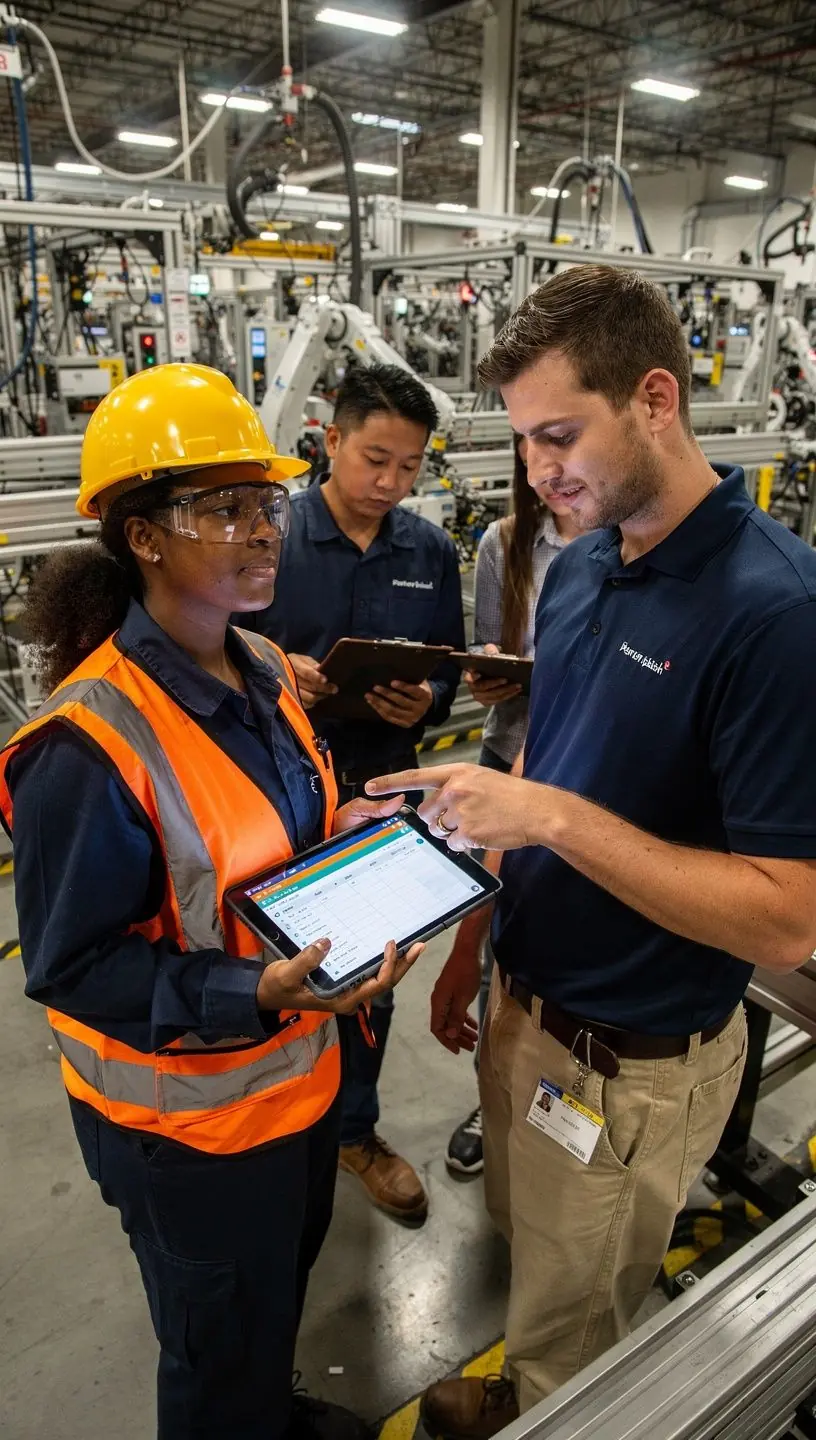
Exploring the Role of Technology in Time Management
In today's fast-paced world, managing time efficiently has become a necessity for achieving both personal and professional goals. This article delves into how technology can enhance time management practices while acknowledging its limitations.
Understanding the Basics
Time management involves planning and exercising control over the amount of time spent on specific activities. According to research, effective time management can lead to a 25% increase in productivity. Many users report feeling less stressed and more organized when they employ practical time management strategies supported by technology.

"Technology can serve as a facilitator for time management, but it should complement rather than replace personal discipline."
The Role of Technology in Time Management
Technology plays a significant role in time management by providing various platforms and applications designed to enhance organization and productivity. Here are some ways technology supports effective time management:
- Calendar Applications: Digital calendars allow users to schedule tasks and appointments, send reminders, and set recurring events. Studies show that people who utilize digital calendars report a more structured approach to their daily activities.
- Task Management Software: Applications like Trello or Asana offer visual task tracking, which enables users to prioritize responsibilities visually. Experts recommend these tools for managing team projects, as they can lead to clearer communication and more efficient workflows.
- Focus and Productivity Apps: Techniques such as the Pomodoro Technique, supported by applications like Focus@Will, encourage users to work in intervals with breaks in between. Research indicates that this method can boost concentration and reduce burnout.
Challenges and Considerations
While technology can enhance time management, it is essential to recognize some inherent challenges. Depending on the individual, reliance on technology can sometimes lead to distractions. For instance, notifications from apps may interrupt focus rather than aid it. Additionally, many tools require a learning curve, meaning users must dedicate time to understand their functionalities effectively.
Implementing Technology in Time Management
To effectively integrate technology into time management practices, consider the following steps:
- Assess Your Needs: Identify specific areas where you struggle with time management. This clarity allows you to choose the right technology that fits your lifestyle.
- Start Small: Begin by using one or two applications that serve your primary needs. Gradually integrating new tools can lead to better adaptation and reduced overwhelm.
- Review and Adjust: Regularly evaluate the effectiveness of the technology you are using. If a certain application isn’t meeting your needs, explore alternatives that might be more suitable.
Conclusion
In conclusion, technology can significantly enhance time management practices by providing organization and structure. However, it is crucial for users to approach these tools with a clear understanding of their own time management needs and limitations. By combining technology with personal discipline, many individuals can achieve a more balanced and productive life.